
Ways a Well-Designed Floor Plan Increases Home Value
The design of a home’s layout plays a major role in shaping how it functions, feels, and performs in the real estate market. Thoughtful home layout and designer strategies influence everything from daily convenience to long-term property value. Buyers today expect layouts that reflect modern living, blending comfort, efficiency, and visual appeal into one cohesive design.
From maximizing space to improving natural light, every detail within home floor plans and designer concepts contributes to how a property is perceived. A well-planned layout can elevate a home’s desirability, while a poorly designed one can limit its potential. The following sections break down how intentional planning decisions directly impact value and marketability.
Maximize Functional Space With Smart Layouts
Efficient layouts ensure every square foot serves a purpose. Carefully planned home layouts and designer concepts eliminate wasted areas and transform them into usable, livable spaces. This approach improves flow, making movement throughout the home feel natural and effortless.
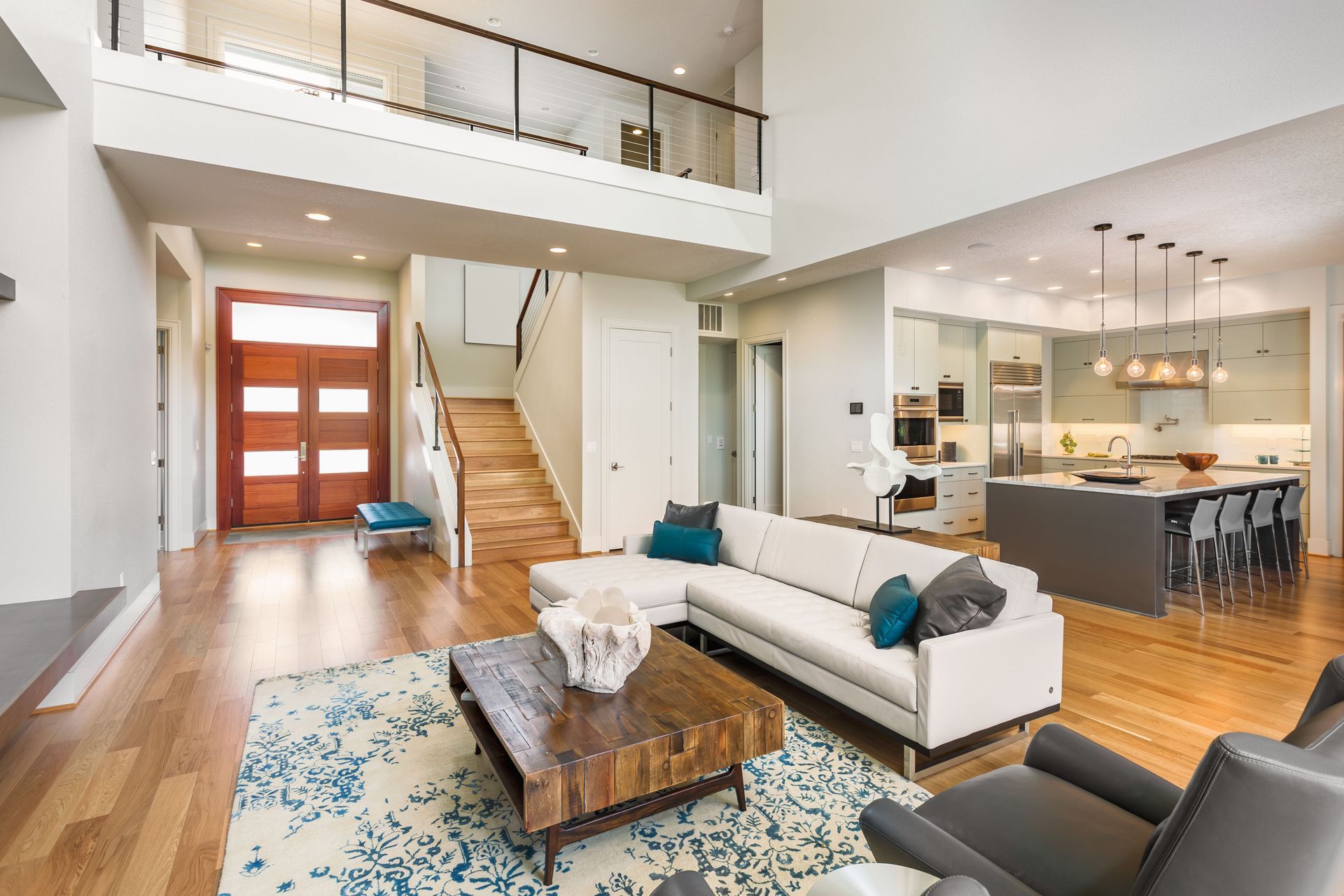
Open-concept layout to drive demand, especially as more buyers prioritize the connection between kitchens, dining areas, and living spaces. According to Rocket Homes, over half of Americans prefer open layouts, reinforcing the importance of incorporating this feature into modern designs. When home designer strategies focus on usability, homes feel larger without increasing their physical footprint.
Create Multi-Use Rooms With Flexible Design
Modern living requires flexibility, and multi-purpose rooms deliver exactly that. Incorporating adaptable spaces into home floor plans and designer concepts allows homeowners to shift functionality as needs evolve. A single room can serve as a home office, guest suite, or recreational space.
Features like built-in storage, fold-away furniture, and open layouts make these transitions seamless. Flexibility appeals to a wide range of buyers, especially those balancing work-from-home demands or growing families. When floor plans and designer ideas include versatility, the home remains functional for years to come.
Reduce Wasteful Areas With Intentional Planning
Hallways and unused corridors often take up valuable square footage without adding real function. Smart home floor plans and designer approaches reduce these areas by positioning rooms strategically to create better flow.
By minimizing unnecessary transitions, homes gain more usable living space. This not only enhances daily comfort but also improves how buyers perceive the overall layout. Efficient movement throughout the home is a key factor in increasing both satisfaction and resale value.
Connect Indoor and Outdoor Living With Purpose
Outdoor integration is a major factor in increasing property appeal. Well-designed home floor plans and designer strategies extend living areas beyond interior walls through patios, decks, and large sliding doors.
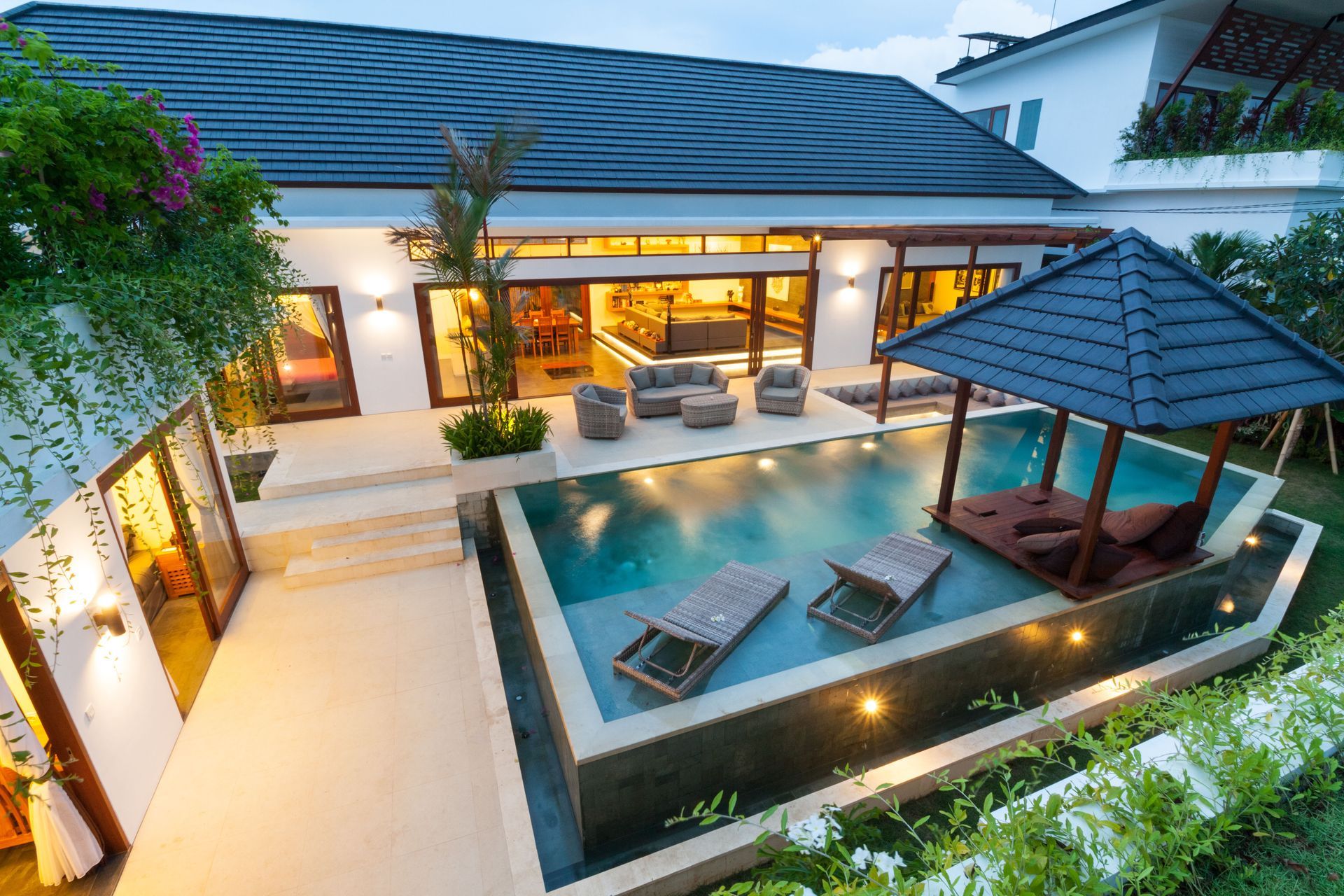
This seamless connection creates additional space for entertaining, relaxing, or dining. It also enhances natural light and ventilation throughout the home. Whether for waterfront home design or golf course home design, connecting indoor and outdoor environments adds both lifestyle value and visual appeal.
Align Layouts With Modern Lifestyle Needs
Today's homeowners expect layouts that reflect how they live. From remote workspaces to open kitchens, home floor plans and designer decisions must accommodate evolving needs.
Designing with lifestyle in mind ensures long-term usability. Features such as quiet zones, entertainment areas, and flexible living spaces create a balanced environment. Homes that align with real-world needs are more attractive to buyers and often command higher value in competitive markets.
Improve Visual Flow With Cohesive Design
Visual flow plays a significant role in how a home feels. Thoughtfully arranged home floor plans and designer elements guide the eye naturally from one space to another, creating a sense of harmony.
This flow is achieved through consistent design elements, strategic openings, and aligned sightlines. When buyers walk through a home with strong visual flow, they often perceive it as more spacious and well-designed. This perception can directly influence purchasing decisions.
Harmonize Interior Elements With Consistency
Consistency across materials, colors, and architectural features strengthens the overall design. Home layout designer strategies that prioritize harmony create a polished and unified appearance.
This is especially important in open-concept layouts, where multiple spaces are visible at once. A cohesive design eliminates visual distractions and enhances the overall aesthetic. Buyers often associate this level of detail with quality, increasing perceived value.
Optimize Natural Light With Strategic Placement
Natural light transforms interiors, making spaces feel brighter and more inviting. Effective home layout plans and designer approaches position windows, doors, and open areas to maximize sunlight throughout the day.
Well-lit homes are highly desirable and often stand out in listings. Natural light not only improves ambiance but also highlights architectural details and finishes. This combination enhances both livability and market appeal.
Elevate Style With Thoughtful Layout Features
Stylish layouts add character and distinction to a home. Incorporating modern elements into home floor plans and designer concepts — such as open spaces, unique room shapes, or integrated technology — creates a more engaging environment.
These features appeal to buyers looking for something beyond traditional designs. A visually striking layout can leave a lasting impression, increasing both interest and perceived value.
Strengthen Curb Appeal With Intentional Design
Curb appeal begins with how a home is designed from the inside out. Strategic home floor plans and designer decisions influence exterior features like window placement, entryways, and overall structure.
A well-designed layout supports a cohesive exterior appearance, making the home more inviting from the start. Strong curb appeal attracts more attention, often leading to increased buyer interest and higher offers.
Expand Market Reach With Flexible Layouts
Homes that accommodate a variety of lifestyles naturally appeal to a broader audience. Home floor layout designer strategies that include adaptable spaces make it easier for buyers to envision themselves in the home.
Flexible layouts work well for individuals, families, and multi-generational households alike. This wider appeal can lead to quicker sales and stronger offers, enhancing overall market performance.
Differentiate Properties With Unique Features
Standing out in a competitive market is essential. Creative home floor plans and designer elements — such as custom layouts or distinctive architectural details — help properties capture attention.
Buyers are often drawn to homes that feel unique and thoughtfully designed. These features create a memorable experience, increasing the likelihood of higher offers and faster sales.
Support Staging With Open and Balanced Spaces
Staging plays a key role in how buyers perceive a home. Well-structured home floor plans and designer layouts make staging more effective by highlighting strengths like open areas and natural light.
A clean, balanced layout allows buyers to focus on the potential of the space rather than distractions. This improves both in-person showings and online listings, increasing overall interest.
Align Designs With Current Market Trends
Staying current with design trends ensures long-term appeal. Modern home floor designer strategies often include open layouts, energy-efficient features, and smart home integration.
Aligning with these trends reassures buyers that the home meets modern expectations. This forward-thinking approach helps maintain value over time and keeps the property competitive.
Enable Easy Customization With Flexible Foundations
Customization is a major selling point for many buyers. Adaptable floor plans and designer layouts provide a foundation that allows homeowners to personalize spaces based on their preferences.
Open areas, convertible rooms, and thoughtful layouts make it easier to adjust the home over time. This flexibility adds long-term value, as the home can evolve alongside changing needs.
A well-executed layout does more than organize space — it shapes how a home is experienced and valued. From improving functionality to enhancing visual appeal, home floor plans and designer decisions play a direct role in increasing property worth and marketability.
At Phipps Home Design, we focus on creating layouts that reflect how people truly live, whether it involves new home design, waterfront home design, golf course home design, or residential remodeling design. Our approach centers on thoughtful planning that balances style, function, and long-term value. If you are ready to elevate your space with intentional design, our team at Phipps Home Design is here to help bring your vision to life.
Share On: