
5 Questions to Ask Your Custom Home Designer Before Getting Started
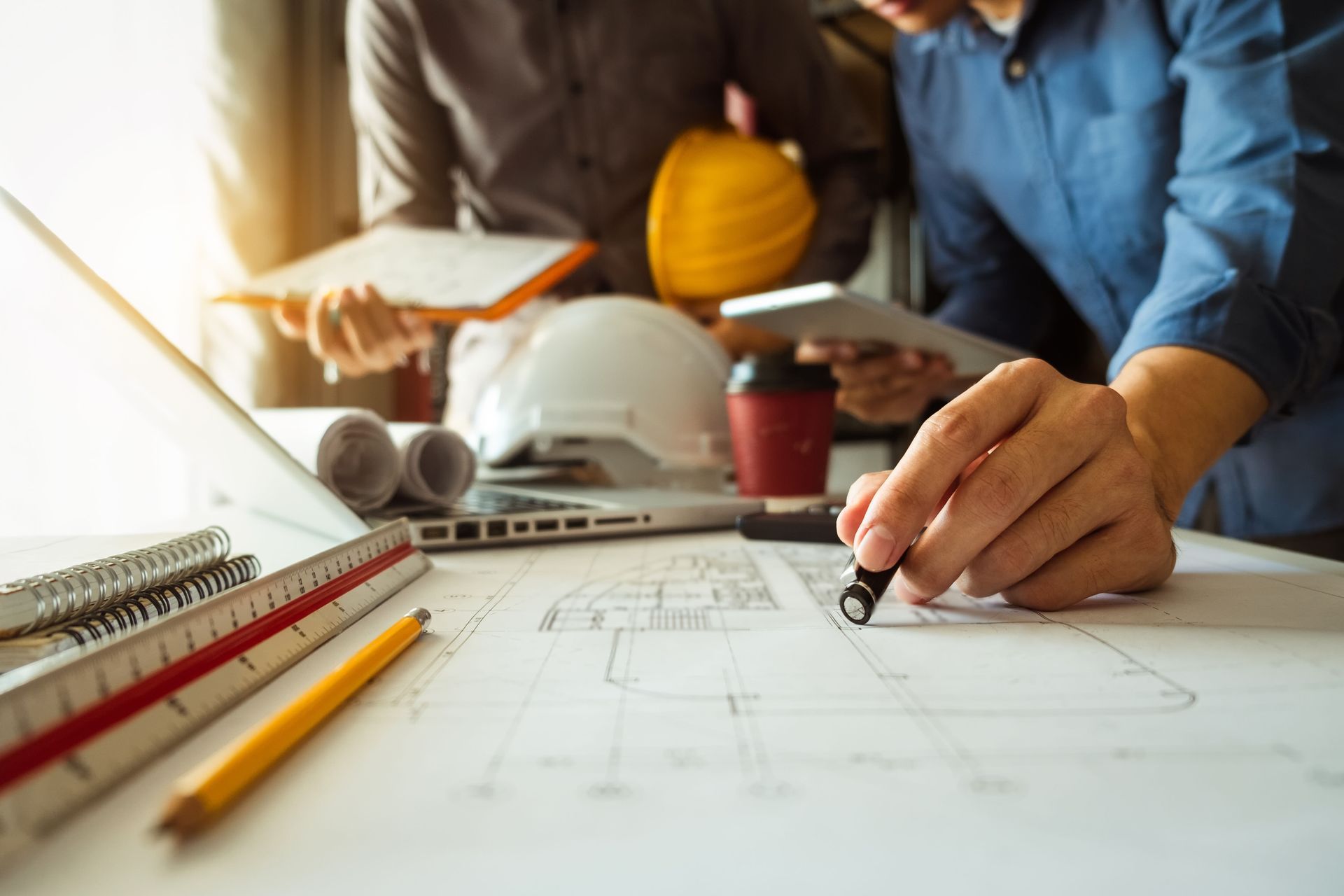
Building a brand-new house requires significant planning and a dedicated team of reliable professionals. The process begins long before anyone pours concrete or frames a wall. It starts with translating your ideas into a workable set of blueprints. Choosing the right professional to draft these plans sets the tone for your entire project. You need someone who understands your vision and has the technical skills to bring it to life on paper.
Finding the right fit means asking detailed questions during your initial consultations. A talented custom home designer will welcome your inquiries and provide transparent answers. They'll want you to feel confident in their abilities and their workflow. By discussing these essential topics upfront, you establish clear communication and a solid foundation for your upcoming build. Here are five essential questions to help guide your upcoming conversations.
1. How Do You Incorporate My Routine Into the Initial Floor Plan?
A beautiful house must also function seamlessly for the people living inside it. Your morning habits and evening routines should dictate the flow of your space. If you wake up early to exercise, you might want your primary suite located far away from the main living areas to avoid waking others. A good floor plan anticipates these needs and minimizes daily friction.
During your early meetings, your custom home designer should ask about your lifestyle. They need to know how often you cook, where you prefer to eat, and whether you work remotely. A family with young children needs a completely different layout than an older couple who loves hosting large dinner parties. Gathering this information allows the professional to position rooms logically.
The best layouts minimize wasted space and maximize usability. Placing the laundry room near the bedrooms saves you from carrying heavy baskets up and down stairs. Connecting the garage directly to a spacious mudroom and pantry makes unloading groceries much easier for everyone. Ask how they plan to translate your specific habits into structural decisions that improve your daily life.
2. Can You Walk Me Through Your Process for Evaluating My Lot?
Every piece of land has unique characteristics that influence how a building should sit on it. The slope, soil conditions, and natural sunlight all play massive roles in the drafting phase. Ignoring these factors can lead to expensive grading issues or rooms that feel dark and uninviting. A thorough site evaluation is a critical preliminary step before anyone draws a single line on the drafting board.
You want to know exactly what steps they take to assess your property. They should visit the site to note the direction of the sun, prevailing winds, and any mature trees worth preserving. Positioning the structure to capture natural light can reduce your energy bills and make the interior feel expansive. They must also consider property setbacks, utility lines, and local zoning restrictions.
The topography of your land also dictates the foundation type and drainage requirements. A steep slope might require a walkout basement, while a flat parcel could easily accommodate a slab foundation. They should explain how they gather topography data and use it to position your house optimally. This ensures the design works in harmony with the environment.
3. How Will You Collaborate With My Builder During Construction?
Creating a set of blueprints is only one part of the journey. Once construction begins, questions will inevitably arise on the job site. Even the most comprehensive plans sometimes require clarification when the framing crew starts their work. According to IBISWorld, there are over 453,000 home construction businesses across the U.S. Each contractor has their own preferred way of doing things.
You need a custom home designer who maintains open lines of communication with your building team. Ask how they handle requests for information from the general contractor. If a specific material becomes unavailable, the team needs a swift resolution to prevent costly delays.
Collaboration prevents minor discrepancies from becoming major headaches. Sometimes a builder might suggest a slight framing alteration to save money or improve structural integrity. Your professional needs to review these suggestions to ensure they don't violate local codes. A cooperative relationship between the drafting team and the building crew keeps your project moving smoothly from start to finish.
4. What Specific Timelines Should I Anticipate for Drafts and Final Blueprints?
Setting realistic expectations for the drafting phase prevents frustration later on. Creating a cohesive layout takes time, and rushing the process often leads to overlooked details. You need to know exactly how long the initial conceptual sketches will likely take. You also need a firm timeline for the revision periods and the delivery of the final construction documents.
A clear schedule helps you coordinate with your bank and your general contractor. If your builder needs to secure permits by a certain date, the blueprints must be ready well in advance. Ask how long a typical project takes from the first consultation to the final handover. Delays in the drafting phase will push back your entire construction schedule.
Be sure to ask how your own response times impact the overall schedule. You'll need to review drafts and provide feedback at various stages. If you take two weeks to approve a layout change, the final delivery date will shift accordingly. An experienced custom home designer will outline these dependencies clearly so everyone stays on the same page.
5. Do Your Designs Factor in Ease of Use and My Target Budget?
It's incredibly easy to draw a spectacular house that costs twice as much as you can afford. Some layouts look beautiful on paper but require highly complex and expensive engineering to actually build. Large spans, intricate rooflines, and cantilevered sections drive up construction costs rapidly. You need assurance that the drafted plans align with your financial reality.
Talk openly about your budget constraints from day one. You want a professional who understands current material costs and construction methods. They should steer you away from structural choices that provide little functional value but add thousands of dollars to the final bill.
Every square foot adds to your total expense. Sometimes, a slightly smaller footprint with a smarter layout feels larger than a sprawling house with poorly planned rooms. Ask for examples of how they have kept previous projects within a specific budget. They should demonstrate a very clear understanding of how their specific design choices impact the final cost to build.
Starting a completely new build is a massive undertaking that requires careful thought and crystal-clear communication. The initial planning phase dictates the success of everything that follows. By asking these critical questions, you ensure that your expectations align with the services provided. You want to walk away from your initial meetings feeling heard, respected, and excited about the road ahead.
Take your time when selecting a professional to draft your plans. A dedicated custom home designer will gladly provide the answers you need to make an informed decision. They understand that transparency and collaboration are vital to creating a successful project. With the right team in place, you can move forward confidently and watch your original ideas finally take physical shape.
If you're ready to take the first step toward your new build, contact Phipps Home Design today to speak with a custom home designer about your vision.
Share On: