
5 Design Elements Unique to Waterfront House Plans
Waterfront house plans present a unique opportunity to blend architectural design with the natural beauty of surrounding waterscapes. These homes not only offer stunning views but also require special design considerations to capitalize on their location. This article explores unique design elements that distinguish waterfront houses from their inland counterparts. By delving into location-specific orientation, material selection for durability, outdoor living spaces, interior design, technological innovations, and sustainability, homeowners and architects can create living spaces that harmonize with their environment. Combining functionality with natural aesthetics, these homes respond to both environmental demands and personal preferences.
Maximizing water views is a primary consideration when choosing a waterfront house plan for a coastal or lakeside property. Architects use strategic window placements and open floor plans to ensure residents can enjoy panoramic views of the water. Design elements such as floor-to-ceiling windows and glass walls create seamless connections with the outdoors. Additionally, terraces and balconies are strategically positioned to offer vantage points over the surrounding landscape. Such careful orientation plays a key role in enhancing the living experience for homeowners. Sunlight optimization is another critical aspect of waterfront home design. Homes are often oriented to capture the best natural light throughout the day, enhancing both aesthetics and energy efficiency.
1. Location-Specific Orientation
The strategic positioning of a house to benefit from natural lighting can reduce energy costs and offer substantial environmental benefits. Incorporating skylights and strategically placed windows ensures that homes remain bright and welcoming across all seasons. Thoughtful orientation not only elevates the interior ambiance but also emphasizes the natural beauty outside. Wind considerations are equally crucial in designing homes located close to water bodies. The layout and structural integrity must withstand prevailing winds without sacrificing daily indoor comfort.
Using aerodynamic shapes and sturdy construction materials can mitigate wind impact while ensuring long-term endurance against harsh coastal weather conditions. Moreover, architects often employ natural windbreakers like trees and native hedges for additional structural protection. This element is essential for maintaining safety and tranquility in any waterfront house plan. By balancing view access with climate shielding, custom layouts protect occupants while celebrating panoramic vistas.
2. Material Selection for Durability
In choosing materials for construction, weather-resistant options are at the forefront for durable home design. Proximity to water means exposure to higher humidity, salt, and wind, necessitating materials that can withstand these aggressive conditions. Reinforced concrete, treated timber, and high-grade composite materials are popular choices due to their durability and resistance to decay. These materials must also complement the environment, blending with natural landscapes while providing robust physical protection. Ensuring a long-lasting structure involves selecting appropriate materials that can handle the unique challenges of a shoreline setting.
Saltwater corrosion prevention is especially pertinent for homes near the sea. Metals and other materials susceptible to corrosion must either be avoided or adequately treated with protective coatings. Stainless steel and other corrosion-resistant alloys are often utilized for exterior fixtures and structural fittings. Non-slip outdoor surfaces are also vital for safety. The presence of water can make outdoor areas slippery, so materials like textured stone and non-slip tiles offer secure footing. Selecting specialized structural components ensures that every waterfront house plan remains structurally sound over decades of exposure.
3. Outdoor Living Spaces
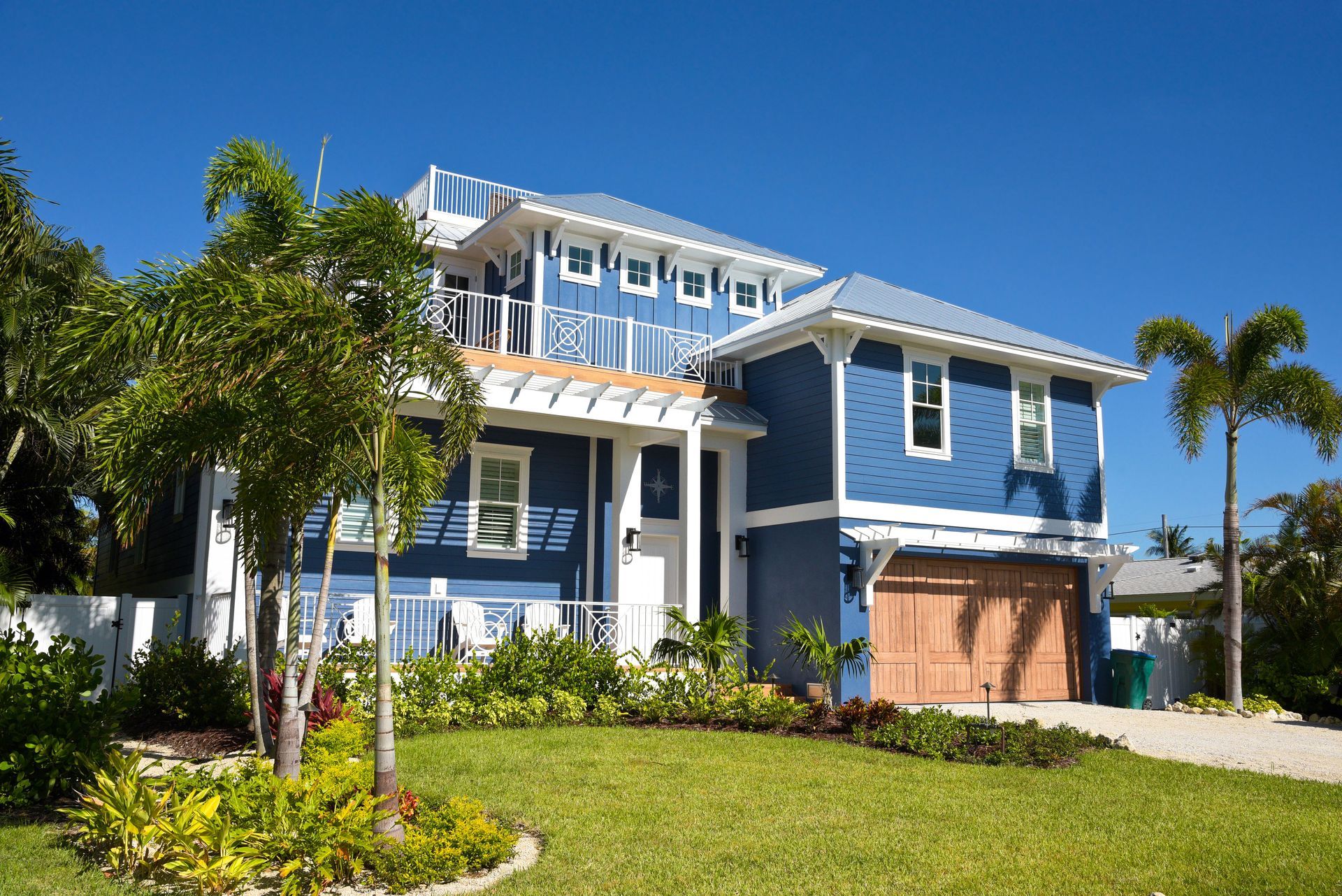
The design of spacious decks and patios is fundamental to coastal living. These spaces serve as extensions of the indoor living areas, providing locations for relaxation and entertainment with stunning backdrops. Utilizing durable and attractive materials, these outdoor areas are crafted to withstand environmental elements while offering aesthetic continuity. They often feature comfortable furnishings and adaptable space that cater to various activities. By prioritizing outdoor design, architects enhance the usability and charm of waterfront properties.
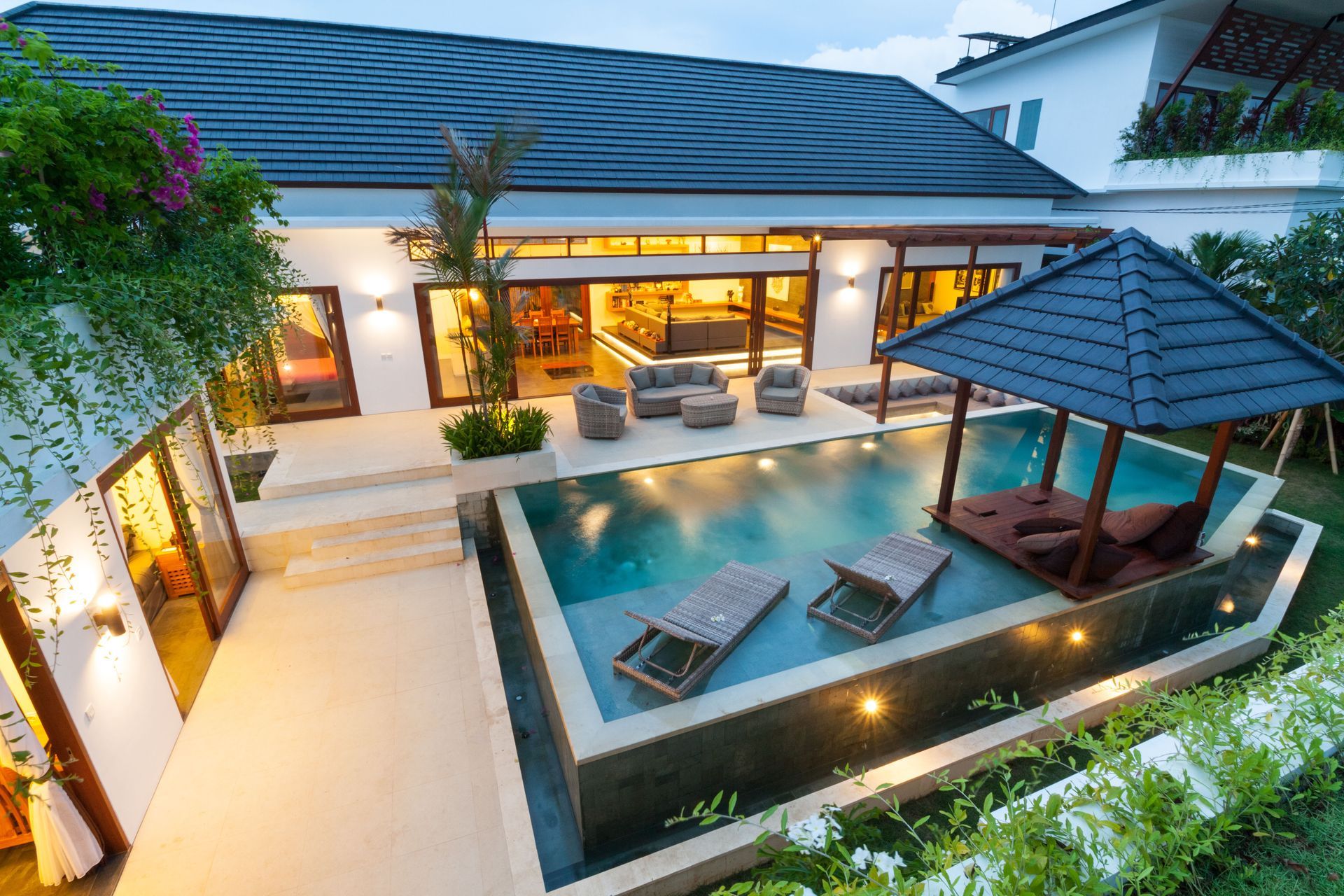
Infinity pools are a popular feature in a waterfront house plan, known for their visual illusion of merging directly with the ocean or lake horizon. These pools not only serve recreational purposes but also enhance the aesthetic connection with surrounding waterscapes. Placement of such features requires careful engineering to ensure seamless integration with the landscape and other architectural elements. Outdoor kitchens and dining areas are also becoming more prevalent, providing spaces for luxury alfresco culinary experiences. Multi-level terracing often accommodates these amenities, creating tiered landscapes that maximize space and uninhibited views.
4. Interior Design Reflecting the Environment
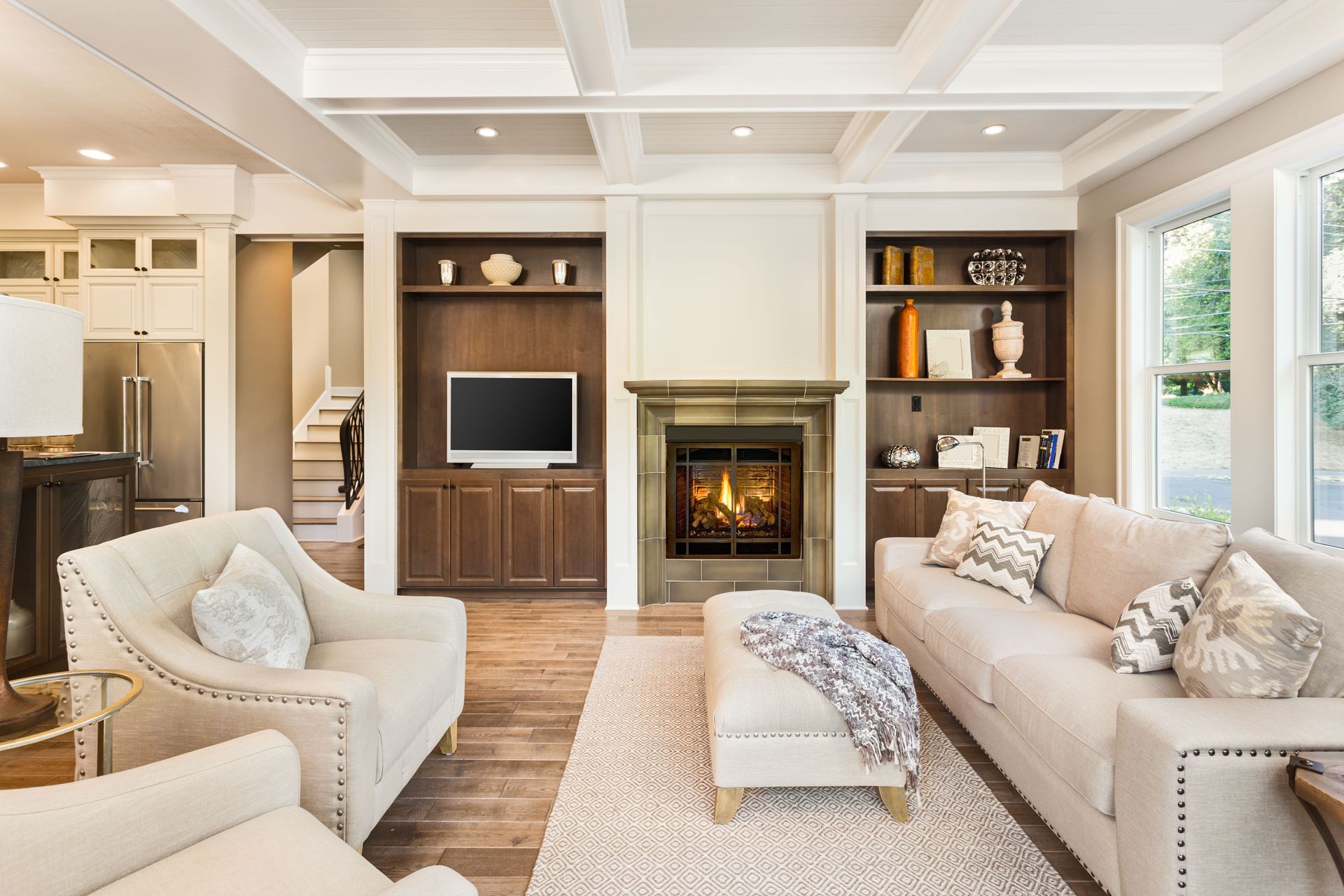
Open floor plans are synonymous with modern coastal house designs, promoting fluidity and connectivity across interior spaces. The lack of interior partition walls encourages free movement and permits unobstructed views of the outdoor scenery. This layout fosters a sense of roominess and allows natural light to permeate throughout the home. Design elements, such as strategically placed furniture and multifunctional areas, support the open layout while maintaining aesthetic coherence. Interior continuity with outdoor environments epitomizes the ultimate charm of coastal living.
The use of natural light is a distinguishing feature in these homes, creating bright and inviting interiors that resonate with natural surroundings. Large windows, skylights, and open spaces allow abundant daylight to illuminate primary living areas. This natural lighting supports energy-efficient living and complements sustainable design practices by reducing dependency on artificial lighting. Furthermore, the incorporation of wood and stone elements within interior design offers a tactile connection to the environment. Including natural finishes inside a waterfront house plan brings warmth, texture, and a sense of earthiness to modern living spaces.
5. Technological Innovations and Sustainability
Smart home automation is revolutionizing modern living by offering control over climate, lighting, and security systems. Automated systems adapt to environmental conditions, ensuring optimal comfort and reduced energy consumption. Energy efficiency systems play a pivotal role, aligning with sustainable design principles. Modern systems incorporate energy-efficient appliances, geothermal heating, solar panels, and smart metering to manage consumption effectively. Preservation of natural habitats remains integral to responsible architecture, where building practices prioritize minimal disturbance during construction to safeguard local flora and fauna.
Minimal footprint construction techniques help reduce the overall impact of new residential structures. Architects employ strategies such as compact layouts and multistory designs to optimize land usage efficiently. Prefabrication and modular building techniques also minimize waste and construction time. Utilizing innovative energy solutions reflects a commitment to eco-conscious living and can significantly increase property value. According to HomeGuide, buying an existing home usually requires a down payment equal to 3% to 20% of the purchase price, making initial investment considerations crucial for sustainable upgrades. Integrating renewable technologies into a waterfront house plan fosters long-term environmental stewardship.
Designing a coastal residence involves several unique considerations that aim to harmonize the natural beauty of the location with functional, durable, and aesthetically pleasing residential spaces. Each aspect, from location-specific orientation to sustainable practices, contributes to creating a home that thrives in its environment. By focusing on these distinctive design elements, homeowners and architects can create spaces that not only capture breathtaking views but also sustain and complement the surrounding ecosystem. These residences model an ideal blend of luxury and responsibility, setting a high standard for future coastal developments.
The art of designing coastal homes lies in marrying natural beauty with structural practicality, ensuring an abode that respects and amplifies its surroundings. Selecting a tailored
waterfront house plan is the essential first step toward achieving this balance. Homeowners looking to turn their architectural vision into an enduring reality can consult with professional design teams to explore custom layouts and engineering options. Contact Phipps Home Design today to start designing your custom coastal sanctuary.

Share On: